2. Why do some soldiers develop PTSD and other don't? According to the Association for Psychological Science there are many factors as to why some veterans develop PTSD while others don't. Some of the factors included age, pre-war vulnerability, and exposure during combat. Research found that if the men were 25 years of age or younger then they were sevens times more likely to develop PTSD than men who were older when they entered the war. Another factor was what their life was like before the war. If they were abused as a child then they were more likely to develop PTSD. The study found that combat exposure was the leading cause to PTSD but pre-war vulnerability was just as important in deciding who got the disorder and who didn't. I was curious about who got PTSD and who didn't because I didn't understand how some veterans could have it and some didn't have it. I found this information on psychologicalscience.org.
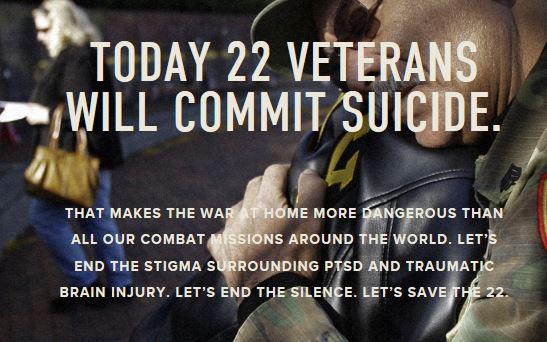
This photo helps explain my research topic because in the story Tim O'Brien tells us how his friend Norman Bowker committed suicide due to his PTSD and not being able to forgive himself for not saving Kiowa.

Hi Holly!
ReplyDeleteI really enjoyed reading about your research topic because I was really interested in that as well. I think it is crazy how many veterans still commit suicide to this day! I think it is important to know the factors that go into someone potentially developing PTSD because it could potentially save a life
It’s amazing (but not in a good way) how many veterans are impacted by PTSD. I wonder if it could ever truly be cured.
ReplyDeleteI find your research question super interesting. I also did my question on mental health issues in Veterans and how much of a problem it is in todays society. Hopefully it gets better soon.
ReplyDeleteHolly, after reading other student's explorations on their research topics, I found that a lot of us had similar questions about mental health. While reading I asked myself the same thing about PTSD. I found your information very interesting on the topic. I would've never guessed that people who were abused at a young age are more likely to develop PTSD.
ReplyDelete